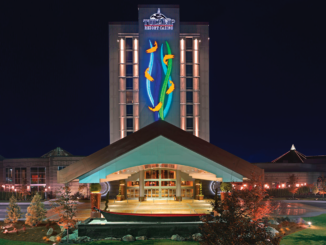

Gaming resorts are complex environments with risks that extend far beyond the casino floor. While the casino often receives the greatest attention from security and surveillance teams, the broader resort includes many retail and guest-facing operations that can create significant exposure for the property.
A typical casino resort may include hotels, restaurants, bars, gift shops, bowling alleys, theaters, shopping malls, convention centers, and event centers. Each of these areas has its own risks, threats, and vulnerabilities. In many cases, these operations may be more vulnerable than the casino itself.
There are several reasons for this. First, retail operations are usually not regulated as closely by tribal or state gaming authorities as the casino floor. Second, because these areas are not regulated in the same way, they may not have the same level of policies, procedures, protocols, training, or security controls. Third, retail spaces are often not the top priority for security and surveillance departments. Traditionally, the focus has been on protecting gaming assets, gaming activity, and the casino environment.
That traditional security profile is no longer enough.
Proactive security and surveillance professionals, including organizations such as the International Association of Certified Surveillance Professionals, have long recognized that gaming resort protection must include the entire property, not just the casino. A gaming resort is an integrated operation. A serious incident in a hotel hallway, restaurant, shopping mall, parking area, gift shop, or entertainment venue can create financial loss, reputational damage, legal exposure, and guest safety concerns.
Retail Operations Carry Serious Risk
Retail and resort operations are vulnerable to many types of incidents, including robbery, theft, employee fraud, disorderly conduct, violence, human trafficking, slip-and-fall claims, cybersecurity issues, workplace violence, and active assailant events.
Some of these risks may appear routine, but their financial impact can be substantial. For example, risk departments may routinely reserve tens of thousands of dollars for slip-and-fall claims. When these incidents occur frequently across restaurants, hotels, bars, lobbies, shops, and event areas, the financial impact can quickly reach hundreds of thousands of dollars.
More serious incidents can be even more damaging. A sexual assault in a hotel room, a physical assault in a shopping mall, or an attack in a gift shop can result in major litigation. If the property is found liable because of negligent or inadequate security, a plaintiff may be awarded millions of dollars. Beyond the financial loss, the resort may suffer lasting reputational harm.
While it may not be possible to eliminate every incident, many risks can be reduced, controlled, or mitigated. Security and surveillance professionals should play a central role in that effort.
Start With a Security Risk Assessment
A strong security program begins with a clear understanding of the risks facing the property. To protect a gaming resort effectively, security leaders must identify what threats are likely, where vulnerabilities exist, and what countermeasures should be implemented.
A security risk assessment helps answer several critical questions:
- What assets need to be protected?
- What threats exist against those assets?
- How likely is each threat to occur?
- What vulnerabilities make the threat more likely or more damaging?
- What can be done to eliminate, reduce, or mitigate the risk?
Once the assessment is complete, the property should develop a security plan that addresses the risks, threats, and vulnerabilities identified. This plan should guide the property’s overall security profile, including physical security, surveillance coverage, technology, policies, procedures, protocols, staffing, patrol strategies, scheduling, reporting, training, and emergency response.
A security plan should not be generic. It should be based on the actual risk environment of the resort.
Example: Disorderly Conduct in a Retail Mall
Consider a retail shopping mall located on casino property. For several years, the mall has experienced problems with teenagers gathering, loitering, becoming disorderly, and fighting with rival groups. In one incident, an innocent bystander was injured and transported to the hospital. The property was later sued, and the incident received negative attention in local media.
A new security manager was hired and conducted a risk assessment. The assessment identified teenage loitering, disruptive behavior, fighting, guest injury, litigation exposure, and reputational harm as existing concerns.
A security plan was then developed and implemented. Security patrols through the mall were increased. The surveillance department expanded monitoring of the area and began notifying security of suspicious or disorderly activity. A “no loitering” policy was established and strictly enforced with support from local law enforcement. The property also implemented a rule prohibiting persons under the age of 17 from being in the mall after 9 p.m. unless accompanied by an adult.
The result was effective and timely. The teenagers quickly learned that disorderly conduct and loitering would not be tolerated, and the problem was resolved in less than 30 days.
This example demonstrates how a proactive security team can identify a risk, assess the vulnerability, develop a plan, and apply appropriate countermeasures to reduce or eliminate a security concern.
Risk Assessment Checklist for a Retail Security Plan
Use the following checklist as a starting point when assessing retail operations within a gaming resort.
1. Identify Retail and Resort Operations
☐ Hotels
☐ Restaurants
☐ Bars and lounges
☐ Gift shops
☐ Shopping malls or retail corridors
☐ Bowling alleys or entertainment venues
☐ Theaters and showrooms
☐ Convention centers
☐ Event centers
☐ Parking areas connected to retail operations
☐ Employee-only areas serving retail operations
☐ Loading docks, storage rooms, and cash-handling areas
2. Identify Assets to Protect
☐ Guests and visitors
☐ Employees
☐ Cash and cash equivalents
☐ Retail merchandise
☐ Food and beverage inventory
☐ Hotel rooms and guest property
☐ Sensitive guest information
☐ Technology systems and point-of-sale systems
☐ Brand reputation
☐ Licenses, contracts, and business relationships
3. Identify Likely Threats
☐ Robbery
☐ Shoplifting and theft
☐ Employee theft or fraud
☐ Disorderly conduct
☐ Assaults or fights
☐ Domestic violence incidents
☐ Workplace violence
☐ Active assailant events
☐ Human trafficking indicators
☐ Slip-and-fall incidents
☐ Medical emergencies
☐ Cybersecurity incidents
☐ Unauthorized access to restricted areas
☐ Alcohol-related disturbances
☐ Crowd-control problems during events
4. Evaluate Vulnerabilities
☐ Inadequate surveillance camera coverage
☐ Poor lighting
☐ Limited security patrols
☐ Unclear reporting procedures
☐ Lack of written policies
☐ Weak access control
☐ Poor communication between departments
☐ Inadequate employee training
☐ Insufficient staffing during high-risk hours
☐ Delayed response times
☐ Blind spots in retail or hotel areas
☐ Lack of coordination with local law enforcement
☐ Inconsistent enforcement of rules
☐ Poor incident documentation
5. Assess Likelihood and Impact
☐ How often has this type of incident occurred?
☐ Has the frequency increased or decreased?
☐ What time of day do incidents usually occur?
☐ Are incidents connected to specific locations?
☐ Are certain events, holidays, or promotions increasing risk?
☐ Could the incident cause injury or death?
☐ Could the incident result in litigation?
☐ Could the incident damage the resort’s reputation?
☐ Could the incident disrupt business operations?
☐ Could the incident attract media attention?
6. Review Existing Security Measures
☐ Current security patrol routes
☐ Surveillance monitoring practices
☐ Camera placement and recording quality
☐ Alarm systems
☐ Access control systems
☐ Emergency call stations or panic buttons
☐ Lighting and environmental design
☐ Written policies and procedures
☐ Guest conduct rules
☐ Employee reporting procedures
☐ Incident response protocols
☐ Coordination with law enforcement
☐ Post orders and assignment instructions
7. Develop Security Countermeasures
☐ Increase patrols in high-risk areas
☐ Improve camera coverage
☐ Assign surveillance to monitor problem locations
☐ Improve lighting
☐ Add or strengthen access control
☐ Implement or revise conduct policies
☐ Enforce no-loitering rules
☐ Adjust staffing during peak hours
☐ Train employees on suspicious activity reporting
☐ Establish response protocols for disorderly conduct
☐ Create procedures for trespass or removal
☐ Improve documentation and incident reporting
☐ Conduct regular security briefings
☐ Coordinate with local police or tribal law enforcement
☐ Review and test emergency response plans
8. Build the Security Plan
☐ Define the risk being addressed
☐ Identify responsible departments
☐ Assign specific roles and responsibilities
☐ Establish staffing and patrol requirements
☐ Include surveillance monitoring expectations
☐ Include reporting and documentation requirements
☐ Identify required equipment or technology
☐ Establish enforcement procedures
☐ Include communication protocols
☐ Include escalation procedures
☐ Set review dates and performance measures
☐ Train affected employees and supervisors
☐ Document approval by management
9. Monitor, Review, and Improve
☐ Track incidents by location and type
☐ Review surveillance footage when appropriate
☐ Evaluate response times
☐ Review guest and employee complaints
☐ Meet regularly with retail managers
☐ Update policies when risks change
☐ Review staffing levels after major incidents
☐ Conduct follow-up assessments
☐ Document corrective actions
☐ Measure whether the plan reduced incidents
Conclusion
Retail operations inside gaming resorts present real and often underestimated security risks. Hotels, restaurants, bars, shops, malls, entertainment venues, and event spaces all require careful attention from security and surveillance professionals.
The casino floor will always remain a critical area of concern, but it cannot be the only area protected. A serious incident anywhere on the property can create liability, financial loss, injury, negative publicity, and damage to the resort’s reputation.
A comprehensive security risk assessment allows the property to identify threats, understand vulnerabilities, and develop an effective security plan. When security and surveillance teams take a proactive, property-wide approach, they are better positioned to protect guests, employees, assets, and the long-term success of the gaming resort.