
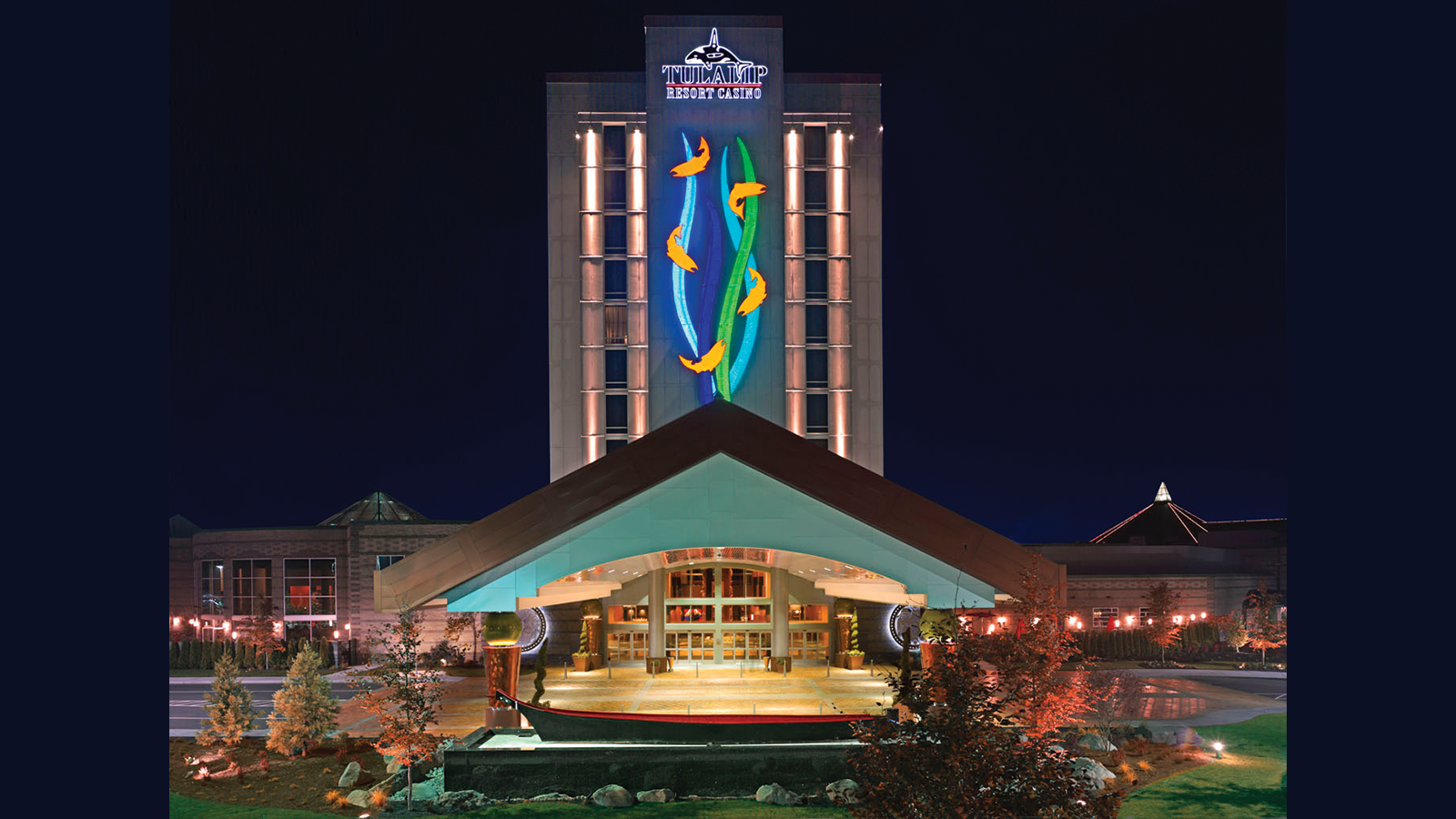
In the world of Indigenous hospitality, a powerful truth has emerged: Indigenous tourism is a living expression of sovereignty. Native nations and communities are no longer allowing their stories to be told by others. Instead, they are exercising their inherent right to govern their own narratives, protecting their homelands and nurturing economic opportunities through cultural tourism. By weaving ancestral storytelling into the fabric of modern resort infrastructure, Native nations and communities are creating “destination legacies” that offer travelers an authentic connection to the land and its original stewards.
Now entering its 28th year, the American Indigenous Tourism Conference (AITC) — organized by the American Indigenous Tourism Association — remains the premier gathering for this movement. Attracting more than 300 attendees, the conference serves as a high-level incubator for Indigenous entrepreneurs, artists, tour operators, and tribal leaders. It is here that the future of Indigenous economic development is mapped out through world-class networking and expert-led sessions.
AITC 2026: Gathering on Tulalip Homelands
The 2026 AITC will be held from October 19–22, 2026, on the tribal homelands of The Tulalip Tribes at the Tulalip Resort Casino in Tulalip, Washington. Following the American Indigenous Tourism Association’s tradition of hosting the event on Indigenous lands, this year’s conference highlights the sophisticated synergy between luxury hospitality and the rich cultural heritage of the Coast Salish people.
Since the inaugural conference in 1999, the American Indigenous Tourism Association (formerly AIANTA) — the only national organization dedicated to advancing Indigenous tourism — has championed the belief that cultural tourism is a primary engine for sustainable economic growth. By hosting the event at properties like Tulalip, the association demonstrates how Native nations and communities can leverage their gaming infrastructure to celebrate and elevate their cultural identity.
Redefining the Role of the Tribal Resort
Native nations across the U.S. are redefining the role of casinos — not just as economic engines, but as powerful platforms for cultural expression. From the Pacific Northwest to the Southwest, Indigenous communities are weaving traditional arts and history into the visitor experience. Whether through curated art collections or landscape-inspired architecture, these resorts are becoming gateways into the diverse cultures of Native nations.
Some examples of properties successfully incorporating cultural tourism into their long-term planning include:
- Tulalip Resort Casino, Tulalip Tribes, Washington: As our 2026 host, Tulalip is a shining example of integrating tribal art into a luxury destination. The resort is a living gallery, featuring monumental sculptures like the 24-foot story pole by master carver James Madison. From the moment guests arrive, they are immersed in the ancestral traditions of the Tulalip people.
- Akwesasne Mohawk Casino Resort, Akwesasne Nation, New York: Situated on the U.S.-Canada border, the Akwesasne Mohawk Nation uses its casino and annual powwow to drive visitors toward its Sharing the Spirit initiative. Their Cultural Tourism Strategic Action Plan (ACTSAP) has turned the resort into a hub for showcasing tribal artwork and heritage.
- Buffalo Thunder, Pojoaque Pueblo, New Mexico: More than a resort, Buffalo Thunder is a curated museum showcasing the $2 million Buffalo Thunder Collection of Art. Managed by the Poeh Cultural Center, the property features work from Pojoaque and neighboring Pueblos, ensuring that guests connect with the vibrant, living cultures of the Southwest.
- Coeur d’Alene Casino Resort, Coeur d’Alene Tribe, Idaho: The Coeur d’Alene Tribe controls its own narrative through an internal Cultural Tourism Department. Guests can participate in programs like moccasin making or storytelling dinners, ensuring the tribal voice remains central to the guest experience.
Leveraging Infrastructure to Support Cultural Heritage
Advancing cultural heritage in tandem with your enterprise starts with community. As you begin to envision or enhance your tourism program, consider establishing a tribal tourism committee.
Bringing together representatives from gaming management, tribal historic preservation offices (THPO), economic development, and local artisans ensures that tourism grows sustainably. When your casino floor, your museum, and your marketing team speak the same cultural language, the visitor experience becomes seamless. Meeting monthly as a committee to discuss ongoing and future tourism offerings will only enhance your program’s longevity and impact.
Connect With the American Indigenous Tourism Association
The association offers a wide range of resources to support your cultural heritage tourism initiatives. From the 28th Annual AITC in Tulalip, Wash. to monthly webinars and publications like the Cultural Heritage Tourism Planner, there are many ways to deepen your knowledge.
To learn more, register for the 2026 conference, or become a member, visit www.AmericanIndigenousTourism.org or contact us at info@AmericanIndigenousTourism.org. We look forward to seeing you at Tulalip!