In the tribal gaming and hospitality sector, diversification is no longer just a buzzword — it is a core strategy for long-term economic stability. While high-energy slot floors, table games, and entertainment venues remain powerful revenue drivers, today’s casino guests expect a multi-dimensional resort experience.
Among non-gaming amenities, wellness travel has emerged as one of the fastest-growing and highest-yielding sectors in the industry. Modern travelers — including high-value gaming patrons, non-gaming spouses, corporate retreat groups, and wellness tourists — are seeking restorative, authentic experiences.
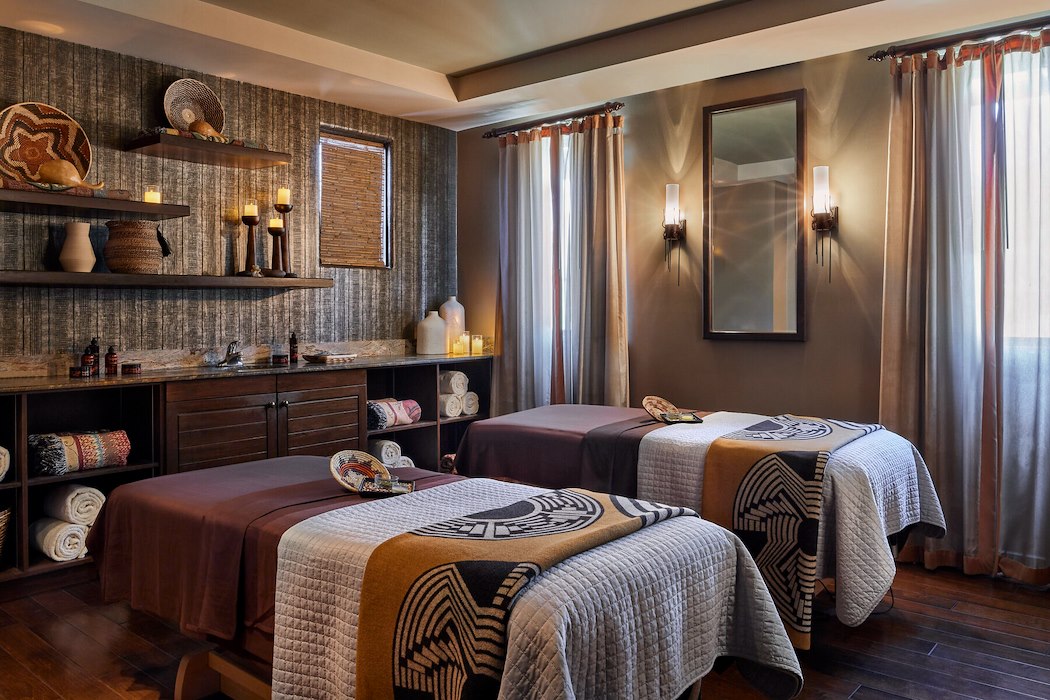
For tribal gaming enterprises, this shift offers a unique competitive advantage. Long before wellness became a mainstream resort amenity, Native Nations and communities possessed rich traditions centered on mineral waters, local vegetation, and holistic healing. By investing in authentic, Indigenous-led spas directly into casino-resort portfolios, operators can balance the fast-paced energy of the floor with world-class tranquility, boosting overall property profitability.
1. Balancing the Enterprise: The Strategic Impact on Gaming Resorts
From an operational standpoint, a premier Indigenous spa doesn’t compete with the casino floor — it elevates and expands the entire enterprise.
Key financial and operational benefits:
- Higher total guest spend: Spa patrons consistently log higher average daily rates on hotel rooms, spend more at property restaurants, and extend their length of stay compared to gaming-only visitors.
- Capturing non-gaming revenue: A world-class spa acts as a major driver for non-gaming visitors, corporate retreat planners, and weekend leisure travelers, unlocking revenue streams that are immune to regional gaming competition.
- The “casino retreat” balance: The sensory stimulation of a casino floor creates a natural demand for contrast. Providing an authentic sanctuary on-property allows guests to unwind, recharge, and stay on-site longer rather than leaving for off-property amenities.
2. Industry Benchmarks: Casino Spas Rooted in Indigenous Heritage
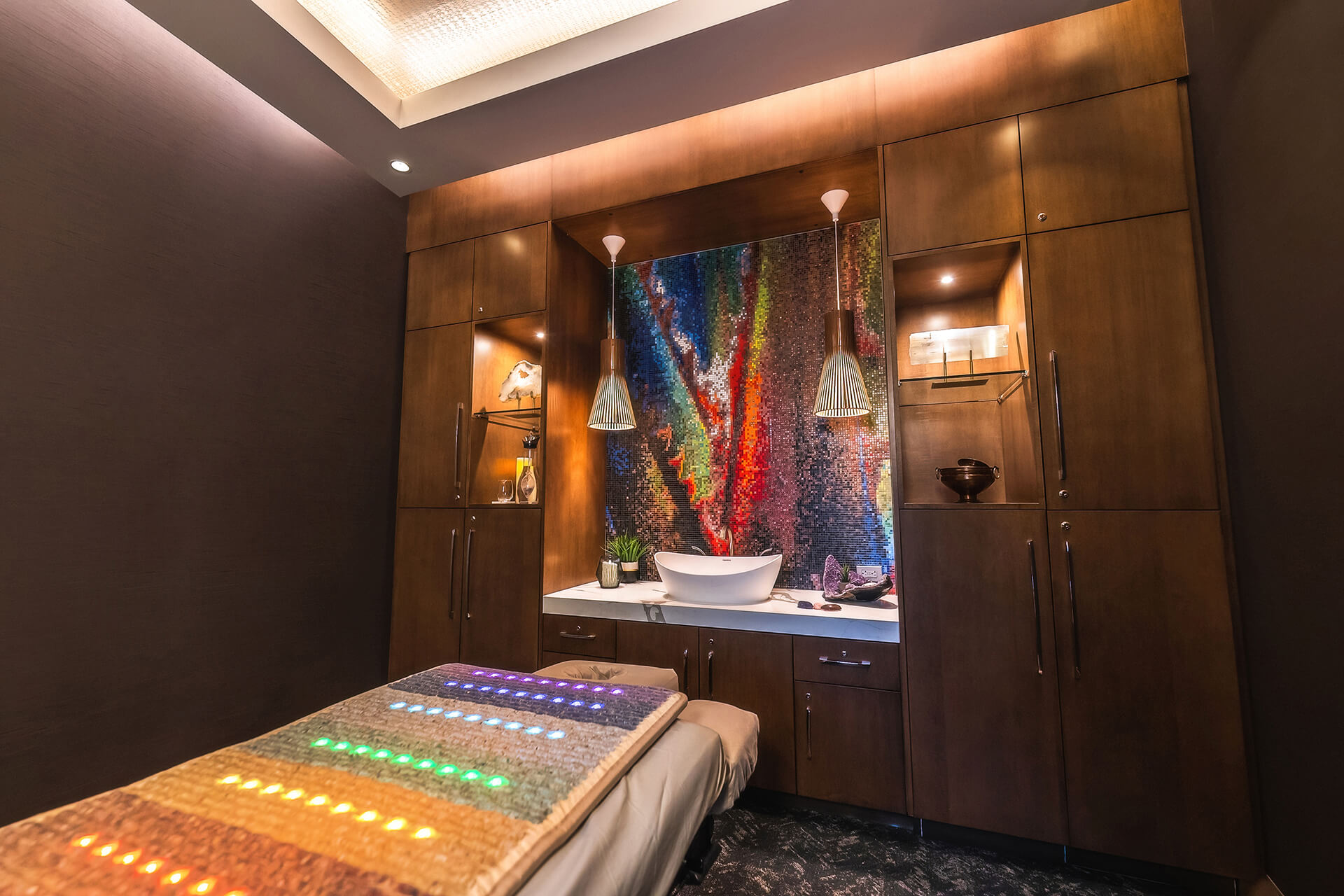
Leading Indigenous gaming enterprises across the United States have demonstrated how blending traditional culture with luxury casino hospitality creates award-winning, revenue-generating operations.
- The Spa at Séc-he at Agua Caliente Casino (Agua Caliente Band of Cahuilla Indians – Palm Springs, CA): Situated directly adjacent to Agua Caliente’s downtown Palm Springs gaming operations, this 73,000-square-foot facility honors the 12,000-year-old Agua Caliente Hot Mineral Spring. The spa’s signature offering, Taking of the Waters, features 22 private mineral baths utilizing geothermal water. It serves as a flagship non-gaming anchor that attracts international travelers and casino VIPs alike.
- Ska:ná: Spa at Turning Stone Resort Casino (Oneida Indian Nation – Verona, NY): Explicitly designed as a tranquil refuge from the vibrant gaming floor, Ska:ná: (the Oneida word for “peace”) incorporates cultural architecture inspired by a traditional Oneida longhouse. Consistently rated among the top casino spas in North America, it integrates local plant medicines like white pine and wild strawberry into its treatment menu, driving high-margin resort packages.
- Aji Spa at Gila River Resorts & Casinos – Wild Horse Pass (Gila River Indian Community – Chandler, AZ): A Forbes Five-Star resort spa located within the Gila River casino enterprise, Aji Spa uses traditional red clay from the Gila River and sacred desert botanicals like prickly pear and Shegoi. Developed under the oversight of Tribal Cultural Caretakers, it offers a gold standard for authentic cultural representation in a commercial gaming setting.
- Elevating the Retail and Treatment Experience: Indigenous Products
A major differentiator for tribal casino spas is the shift away from generic, imported spa products in favor of authentic Indigenous-owned suppliers and local botanicals.
- Culturally anchored treatments: Incorporating regional plant medicines – such as sweetgrass, desert sage, white pine, cedar, and red clay – creates a distinct sense of place that standardized hotel chains cannot replicate.
- Indigenous-owned supply chains: Forward-thinking casino properties are partnering with Indigenous manufacturers for bath, body, and retail amenity lines. For instance, brands like Native Naturals (founded by members of the Standing Rock Sioux Tribe), Bison Star Naturals (family-owned by Taos Pueblo members), and N8IV Beauty (started by a Rincon Band of Luiseno member) supply hotel and spa products infused with Indigenous herbs.
- Boosting boutique retail margins: Hotel and casino guests frequently seek high-end, authentic souvenirs. Carrying Indigenous-owned skincare lines, teas, and body products in resort boutiques keeps retail dollars circulating directly within Indian Country while satisfying guest demand for authenticity.
Strategic Takeaways for Tribal Gaming Executives
If your property is planning a resort renovation, spa expansion, or amenity refresh, consider these tactical steps:
- Involve cultural committees from day one: Ensure all uses of tribal language, plant names, or design motifs are vetted and approved by tribal elders and cultural leaders to safeguard sacred customs.
- Package gaming with wellness: Create cross-promotional packages – such as golf, luxury spa credits, dining, and gaming incentives – to appeal to couples, groups, and high-tier loyalty members.
- Train front-line staff on the story: Educate concierge staff, casino hosts, and spa practitioners on the cultural story behind your spa’s menu so they can communicate the tradition and value of the offerings to guests with authenticity.
“Indigenous wellness is not a passing hospitality trend—it is a holistic philosophy of balance and restoration,” said Sherry L. Rupert (Paiute/Washoe), CEO, American Indigenous Tourism Association. “When Indigenous casino operators incorporate these traditions respectfully, they don’t just elevate their resort amenity mix; they offer a transformational experience that keeps guests returning year after year.”
To learn more or become a member, visit www.AmericanIndigenousTourism.org or contact us at info@AmericanIndigenousTourism.org(opens in new tab).