
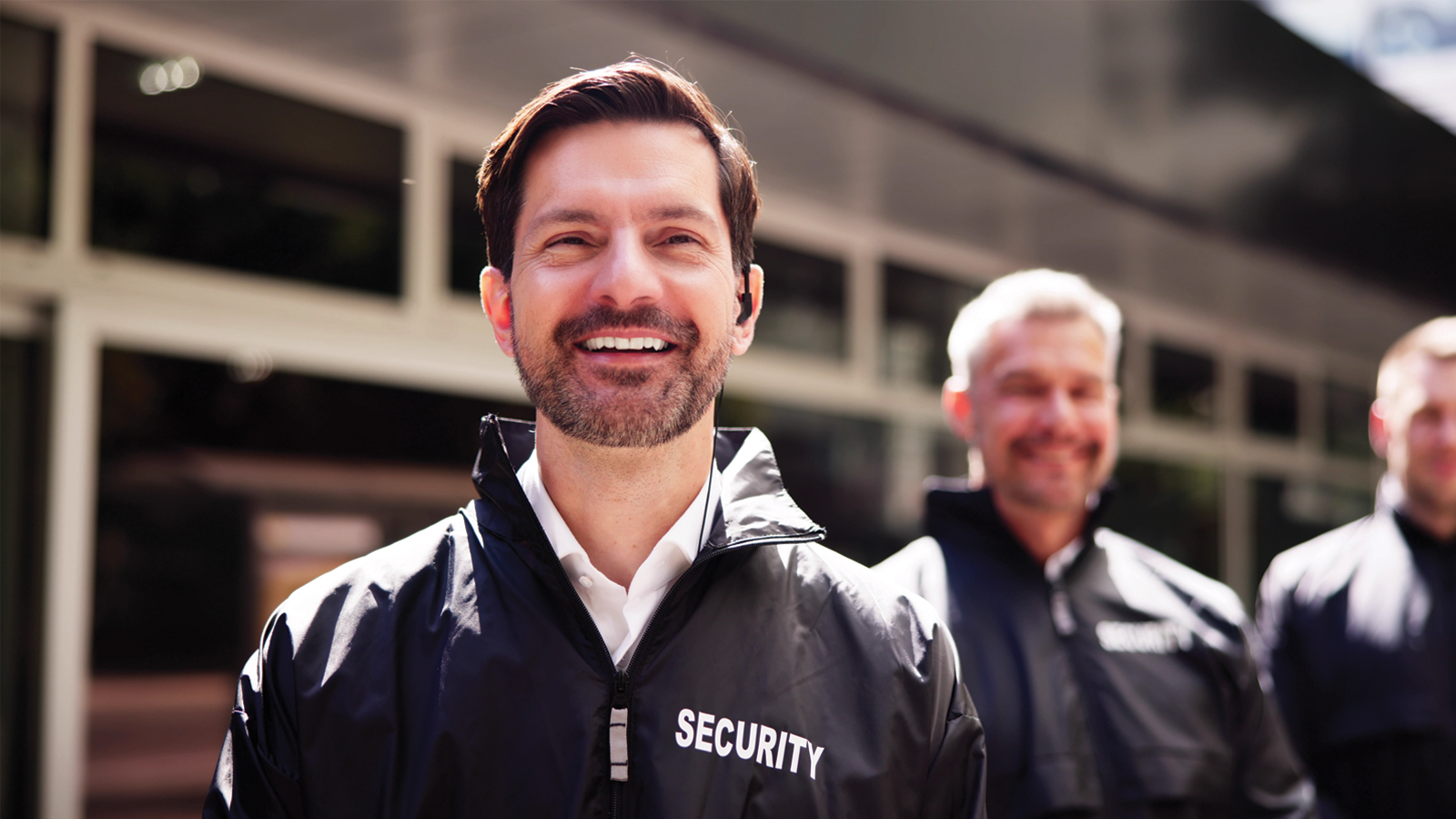
The results of our 2026 International Casino Surveillance Survey are in.
Each year, the International Casino Surveillance Survey provides a unique look at the priorities, challenges, technologies, and operational practices shaping casino surveillance. The 2026 survey captures the experiences and perspectives of professionals working in an increasingly complex risk environment. From internal theft, cheating, and advantage play to cyber threats, intelligence sharing, and cross-functional investigations, the findings provide an important benchmark for where the profession stands and where it is headed. More importantly, the survey reflects the continued evolution of surveillance from a primarily observation-based function into an investigative, intelligence, and enterprise risk management resource.
Casino surveillance has always played an essential role in gaming operations by protecting game integrity, safeguarding assets, identifying criminal activity, supporting regulatory compliance, and helping maintain a safe environment. Those responsibilities remain central, but the role continues to expand.
Surveillance departments are no longer defined solely by what happens inside the Surveillance room. Increasingly, surveillance is becoming an intelligence-driven investigative function and an important partner in organizational risk management. Better information sharing, cross-department collaboration, investigative capabilities, and executive access are all contributing to this transformation.
Internal Theft Remains the Leading Concern
Despite new technologies and increasingly sophisticated external threats, internal theft and fraud remain the most significant operational concern identified by survey respondents. Ninety-two percent identified internal theft and fraud as a major concern.
That finding reinforces a long-standing reality: Some of the greatest risks can originate from people who already understand the organization’s systems, procedures, controls, and vulnerabilities.
Employee theft and fraud may involve gaming operations, cage activity, promotions, player accounts, cash handling, procurement, inventory, or collusion with outsiders. The consequences can extend beyond the immediate loss by exposing control weaknesses, creating regulatory concerns, and damaging the organization’s reputation.
The challenge is to move beyond identifying events only after they occur. More proactive programs use operational reports, exception reporting, intelligence, and data analysis to identify suspicious activity sooner. This shift from incident detection to risk identification is an important development.
The Risk Environment is Expanding
Following internal theft and fraud, advantage play, cheating, and cyber threats represent the next tier of operational priorities.
Cheating and advantage play are familiar areas for surveillance professionals, but the methods are becoming more sophisticated. At the same time, cyber threats increasingly intersect with the physical gaming environment.
Ransomware, phishing, compromised credentials, and attacks involving connected systems demonstrate that casino risk can no longer be neatly divided among physical security, gaming protection, and information technology.
Gaming systems, access control, hotel operations, loyalty programs, financial transactions, and network-connected devices create efficiencies, but they also create vulnerabilities.
Surveillance professionals do not need to become cybersecurity engineers, but they do need to understand how cyber incidents may affect physical operations, gaming integrity, investigations, and business continuity. Effective protection will increasingly depend upon cooperation among surveillance, security, compliance, information technology, gaming operations, and executive leadership.
From Observation to Intelligence
Live observation and recorded video review continue to account for much of the surveillance department’s workload and will remain fundamental responsibilities. However, the 2026 survey reveals an important movement toward information analysis and data-driven investigations.
Most departments have access to significant amounts of operational information. The larger opportunity lies in what they do with it. A report has limited value until someone recognizes a pattern, identifies an anomaly, or connects operational information with video and investigative intelligence.
Forward-thinking departments are increasingly examining transactions, employee activity, player behavior, exceptions, and incidents for indicators of potential problems rather than waiting for suspicious behavior to be reported.
This represents a change in philosophy. Traditional surveillance asks, “What happened?” Intelligence-driven surveillance increasingly asks, “What is happening, why is it happening, and can we identify it before the loss becomes greater?”
Facial Recognition Moves into the Mainstream
Few technologies demonstrate the industry’s transition more clearly than facial recognition. According to the survey, usage among responding casino properties increased from 25% in 2021 to 59% in 2026, and many non-users indicate plans for future investment.
More than 80% of properties using facial recognition reported a fairly large or huge positive impact on identifying criminal activity and undesirable individuals, suggesting the technology is becoming an established investigative resource.
Its value can increase further when combined with intelligence databases and incident information. A facial recognition alert may provide the initial identification, but experienced surveillance personnel must still determine why the individual matters, evaluate the circumstances, confirm the information, communicate with appropriate departments, and document the activity.
As adoption expands, successful programs will depend upon clear policies, sound data management, system evaluation, and trained personnel. Technology can generate an alert, but it still requires a professional to transform it into meaningful intelligence.
ID Scanning and Information Sharing
The survey found that 67% of participating casinos now use ID scanning solutions, reflecting another change in how properties identify individuals and manage information. Information-sharing networks and intelligence platforms have also become increasingly important investigative resources.
Casino criminals rarely respect jurisdictional boundaries. Individuals involved in cheating, theft, fraud, advantage play, or organized criminal activity may visit numerous properties. A surveillance department operating in isolation may see only one part of the activity.
When legally and appropriately managed, information sharing can help surveillance professionals identify patterns, communicate emerging threats, connect individuals to prior incidents, and prevent repeated losses. The increased use of these resources reflects a broader change within casino surveillance: Information itself has become an operational asset.
Gaming is Changing
Table games remain a primary focus because of their volatility, transaction volume, vulnerability to cheating, and revenue sensitivity. However, the gaming floor continues to evolve.
Electronic Table Games and Persistent State Machines are among the trends requiring increased surveillance attention. As their presence grows, surveillance professionals will need stronger knowledge of system functionality, game mechanics, vulnerabilities, and methods of exploitation. Departments traditionally strongest in table-game protection may also need greater expertise in slot systems and electronic gaming technology.
People Remain the Most Important Asset
Technology receives considerable attention, but an effective surveillance operation still depends upon its people. Recruiting, developing, and retaining experienced personnel remains a major industry challenge.
While supervisor compensation continues to improve, wages for agents and observers declined slightly from the previous year’s peak. This is significant at a time when departments are being asked to perform increasingly complex work.
Today’s surveillance agent may be expected to understand traditional gaming protection while also working with facial recognition, ID scanning, intelligence systems, AML concerns, electronic gaming, sports betting, and data analytics. Compensation, professional development, leadership, and training must rise with these expectations.
Larger operations often have greater access to staffing, technology, training, and financial resources. Smaller operations may face many of the same threats with fewer resources, making prioritization especially important.
A Voice at the Executive Table
Another encouraging survey finding is the access many surveillance departments report having to executive leadership. That relationship matters because surveillance leaders possess information that can influence decisions far beyond gaming protection. Investigations may identify weaknesses in policies, internal controls, staffing, technology, training, physical security, compliance, or business processes.
Many surveillance leaders also report limited visibility into departmental and training budgets, making communication with executive management increasingly important as the role expands.
Departments cannot perform enterprise-level risk functions without appropriate staffing, training, and resources. Executives also benefit from viewing surveillance not simply as a regulatory necessity, but as a source of operational intelligence.
The Future is Cross-Functional
Perhaps the most important trend identified by the 2026 survey is not a particular threat or technology. It is integration.
Guest incidents, AML compliance, employee theft, human trafficking, organized crime, cyber threats, gaming fraud, and other emerging risks frequently cross traditional departmental boundaries. No single department possesses all of the information needed to identify these problems.
Security may observe one behavior. Compliance may identify a suspicious financial transaction. Gaming operations may notice unusual play. Human Resources may hold relevant employee information. Information technology may detect suspicious system activity. Surveillance may possess the video and investigative capability to connect those pieces.
Organizations that create effective channels for sharing information will be better positioned to recognize emerging threats. With its observation capabilities, investigative experience, and broad property-wide visibility, surveillance is well-positioned to connect information from multiple sources.
Beyond the Camera
The 2026 International Casino Surveillance Survey depicts a profession in transition. Surveillance remains responsible for protecting gaming integrity, identifying cheating and advantage play, investigating internal theft, and documenting incidents. Those responsibilities are not disappearing; they are being joined by something larger.
Casino surveillance is increasingly becoming an enterprise risk management partner, combining experienced personnel, technology, operational intelligence, investigative resources, and cross-functional collaboration to protect gaming operations, assets, employees, and guests.
The departments best positioned for the future will not necessarily be those with the most technology. They will be those that know how to use technology effectively, develop skilled professionals, analyze information, collaborate across organizational boundaries, communicate with leadership, and transform observations into actionable intelligence.
The camera will remain one of the most important tools in casino surveillance. But in 2026 and beyond, the profession’s greatest value may increasingly come from what surveillance professionals are able to understand, connect, and anticipate beyond the camera.