
For tribal operators, casino revenues are more than just profit and loss statements. They are the sovereign economic engine that sustains entire communities. In fiscal year 2024, tribal gaming generated $43.9 billion, funding job growth, infrastructure, education, and social services that serve both tribal members and local government agencies.
Because the stakes are this high, the tolerance for operational risk must be correspondingly low. Yet as tribal properties evolve into massive, multi-use destination resorts, many are discovering a dangerous friction point. Their communication infrastructure remains tethered to analog systems designed for a different era.
The gap between the complexity of modern operations and the capability of legacy systems is widening. It is creating a “visibility gap” defined by a blindness to real-time risks that directly threatens the bottom line.
The complexity crisis
Modern tribal casinos are effectively micro-cities. They house high-security banking zones, hospitality suites, entertainment venues, and critical infrastructure all under one roof. In this environment, the old model of departmental communication, where security talks to security and housekeeping talks to housekeeping, is a liability.
Consider the noise of a Saturday night floor. When a medical emergency occurs or a guest becomes aggressive, that information is competing against live entertainment, thousands of guests, and hundreds of other operational transmissions.
In a legacy environment, this data is ephemeral. It is spoken once, often unclearly due to background noise, and then it vanishes. If a dispatch message is missed because of a dead zone in a parking structure or interference on the floor, the response chain breaks. In the seconds it takes to repeat a transmission, a solvable incident can escalate into a liability claim. This is not just a technical failure. It is a failure of situational awareness.
The rising cost of enforcement
The pressure to close this visibility gap is not just operational. It is regulatory. Tribal gaming is one of the most highly regulated industries in the United States, operating under a unique and strict framework involving three distinct layers of authority: primary oversight by sovereign Tribal Gaming Commissions, federal compliance and enforcement from the National Indian Gaming Commission, and state regulatory compliance as defined within Tribal-State compacts.
While financial controls often grab headlines, regulatory intolerance to undocumented processes is growing. Under the Indian Gaming Regulatory Act, civil fines can accumulate daily for each violation. Regulators retain the authority to issue closure orders for serious operational failures. The message is clear: If you cannot document it, it did not happen.
This creates a massive vulnerability for properties relying on analog voice communications. Traditional radio communication is ephemeral. Once a transmission ends, it vanishes. Handwritten logs and employee recollections become the only record, and neither holds up well under regulatory audits or legal scrutiny.
When an incident occurs, attorneys and auditors expect verifiable timelines. They want to know exactly when the call came in, who received it, and how quickly they responded. Moving toward a system where voice data is captured, timestamped, and searchable is not just a tech upgrade. It is a necessary shift toward modern data governance.
Breaking the information silos
The most significant strategic error modern casinos make is allowing information to stay trapped in silos.
In a traditional setup, team members are forced into a reactive stance. A floor manager might hear about a jackpot payout while security hears about a fight, but no one has the full picture. The challenge is no longer just regarding whether teams can talk to each other. It is about whether team members can synthesize what is happening across the property in real time.
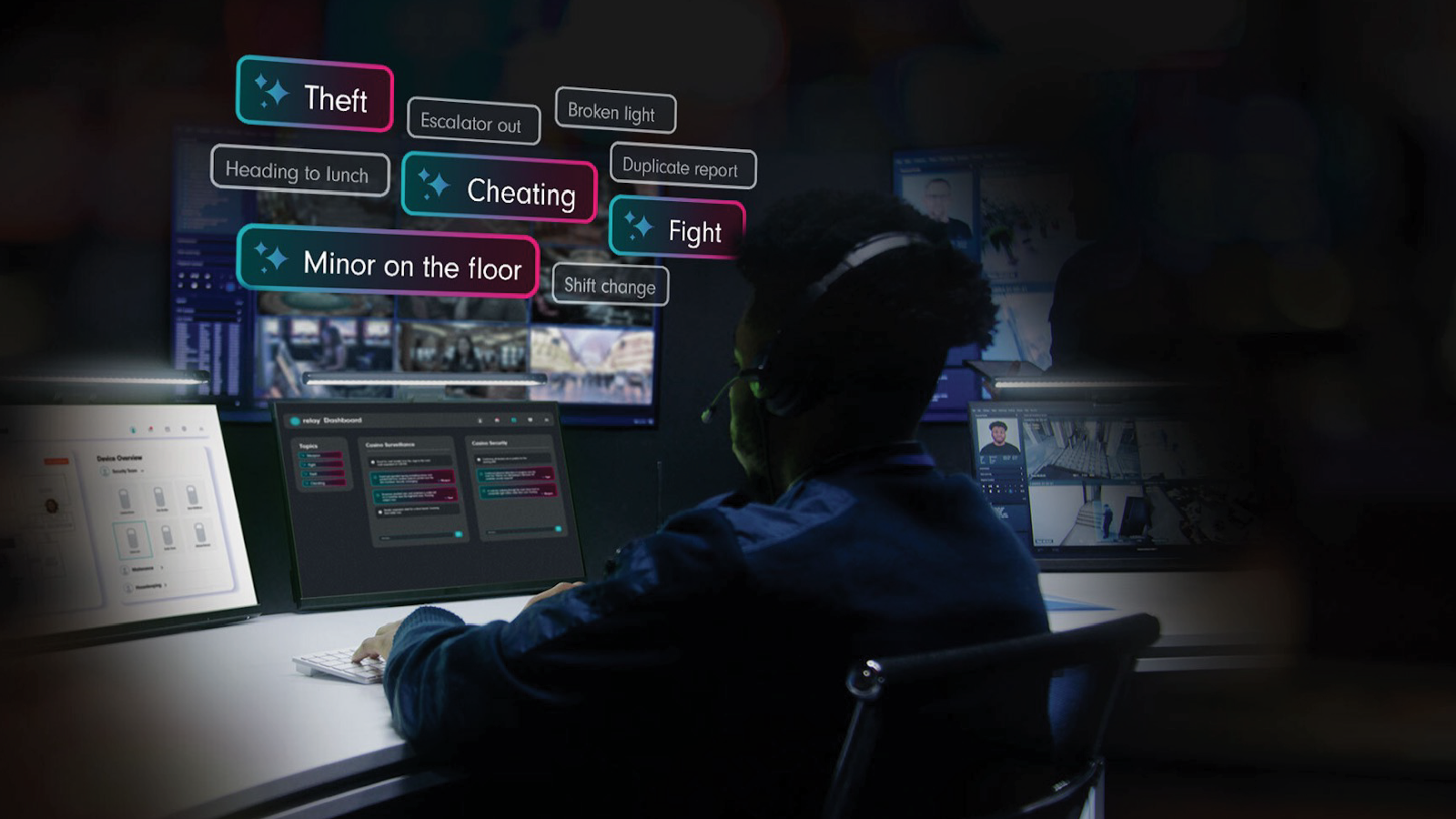
The next generation of operational tech is moving away from isolated channels toward unified operational awareness. This means adopting platforms that do not just transmit audio but intelligently route it. It means breaking the wall between departments so that critical alerts, such as medical, theft, or fire, automatically surface to the right team members regardless of which channel they originated on.
This efficiency pays dividends in guest satisfaction. Technology should not just be about mitigating risk; it should be about freeing up time. When team members are not fighting their equipment, repeating transmissions, or acting as human relays, they can return their focus to where it belongs: delivering the superior service that keeps guests returning.
When you remove the silos, you move from a posture of reactive disorder to proactive control.
Stewardship for the long term
Tribal leadership prioritizes long-term sustainability over short-term fixes. Infrastructure decisions made today will shape operational efficiency and safety for decades to come.
Continuing to patch legacy systems creates technical debt. Every dead zone is a potential lawsuit. Every unrecorded incident is a compliance gap. The properties that will thrive in this new regulatory and operational climate are the ones that view communication not as a utility but as a strategic asset.
Ensuring that every team member is connected and every interaction is documented does more than protect the casino floor. It safeguards the economic future of the community that relies on it.
Key takeaways
- Liability lives in the gaps: In a modern casino environment, dead zones and undocumented conversations are not just technical nuisances; they are legal vulnerabilities that attorneys will exploit.
- Communication is evidence: As regulatory scrutiny tightens, voice traffic must meet the same evidentiary standards as financial transactions. If you cannot prove a response timeline, you cannot defend it.
- Silos are safety hazards: Allowing departments to operate on isolated channels creates a dangerous blind spot. True situational awareness requires a unified flow of information across the property.
- Infrastructure is stewardship: Continuing to invest in disposable, legacy hardware creates technical debt. Protecting the sovereign economic engine requires infrastructure built for long-term resilience, not short-term patches.