
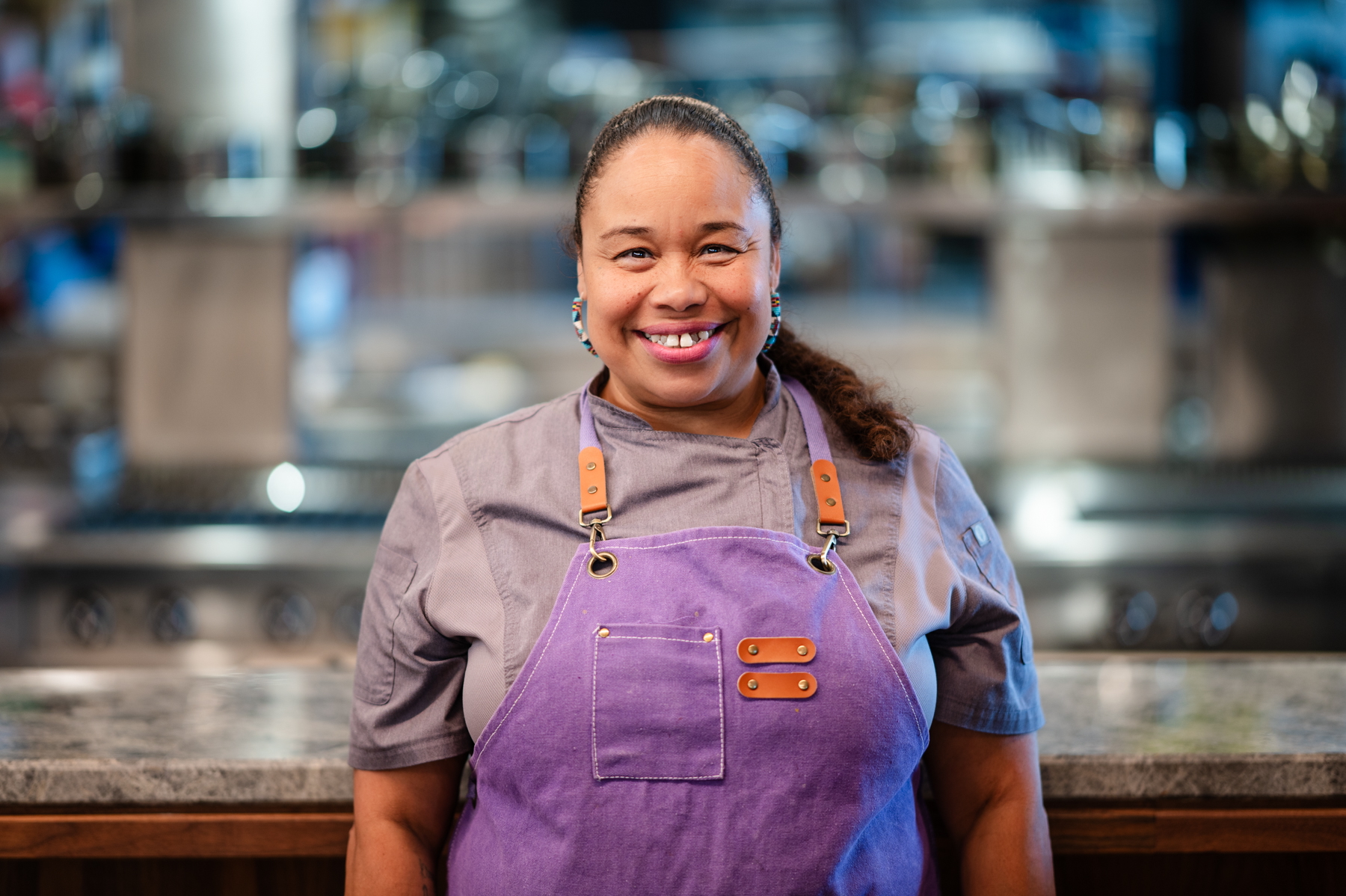
Photo Caption: Wahpepah Kitchen – Chef Crystal Wahpepah (Kickapoo Nation)
In the dynamic world of tribal gaming and hospitality, the spotlight is increasingly turning to the culinary landscape. Casino resorts are moving beyond standard American fare, embracing the rich, authentic flavors and farm-to-table traditions of Native American foodways. This culinary renaissance is not just a trend — it’s a powerful statement of cultural identity, sovereignty, and economic reinvestment.
Indigenous chefs: Honoring tradition, driving innovation
The role of the Indigenous chef is critical in this movement, fusing ancestral ingredients and techniques with modern culinary artistry. While legendary chefs like Freddie Bitsoie (Navajo) and Nephi Craig (White Mountain Apache/Diné) have championed Indigenous cuisine — Bitsoie with his cookbook, New Native Kitchen, and Craig through the Native American Culinary Association — their influence continues to resonate in tribal enterprises.
While their current day-to-day casino kitchen roles may have evolved, their work laid a crucial foundation. For instance, Fire Rock Casino in New Mexico continues to celebrate its Navajo heritage at Cheii’s Restaurant. The menu invites guests to “Discover Navajo” with traditional dishes like Navajo tacos and, significantly, proudly serves source-verified Navajo-grown beef, potatoes, and beans. This commitment demonstrates how a former executive chef’s vision can be permanently woven into the operation.
The search for talented Native chefs continues to yield exciting results:
- Wahpepah’s Kitchen (Oakland, California): Awarded Best Indigenous Culinary Experience of 2025 by the American Indigenous Tourism Association, Wahpepah’s Kitchen of California offers a culinary revolution where Chef Crystal Wahpepah transforms Native American foodways into a modern, delicious dining experience. A member of the Kickapoo Nation, she is a trailblazing chef, a James Beard Award finalist, and the first Indigenous chef to compete on the Food Network’s “Chopped.” Located in Oakland, California, on Ohlone land, Wahpepah’s Kitchen is more than just a restaurant — it’s a movement rooted in food sovereignty and sustainability. Chef Wahpepah meticulously sources ingredients from Indigenous farmers and land stewards, ensuring each dish honors heritage and the planet. From Kickapoo bison chili to cedar-smoked salmon from the Lummi Nation, the menu is a vibrant celebration of diverse Indigenous cultures. A visit to Wahpepah’s Kitchen offers a taste of history and a glimpse into the future of food, celebrating community and a deeper connection to the land.
- Blackfish Wild Salmon Grill & Bar (Tulalip Resort Casino, Tulalip, Washington): This restaurant pays direct homage to the Tulalip Tribes’ traditions. Chef David Buchanan (a long-time chef at the resort) prepares the signature heritage salmon in the traditional tribal way — slow-roasted over alder coals on hand-carved ironwood stakes. This method is a profound cultural practice, not just a cooking technique, confirming that the spirit of Native food is alive and well at this important Pacific Northwest property.
- 39 Restaurant (First Americans Museum, Oklahoma City): A powerful cultural anchor for Indigenous cuisine in Oklahoma, this restaurant honors the 39 First American Nations in the state and celebrates their diverse and distinct culinary traditions. Emmy Award-winning Chef Consultant Loretta Barrett Oden (Citizen Potawatomi Nation) and Executive Chef Benjamin Hutton blend ancestral ingredients with contemporary aesthetics, creating plates that showcase foods that have sustained their people for generations. The restaurant’s mission highlights the ancestral trade routes and sustainable foodways that benefit cultures to this day.
From the Earth to the casino plate: farm-to-table initiatives
Tribal casinos are uniquely positioned to deliver a true farm-to-table experience, thanks to the vast agricultural resources of their nations. This sourcing is a direct economic stimulus and a powerful marketing tool for authenticity.
- Wild Horse Pass (Gila River Indian Community, Arizona): The ultimate expression of tribal farm-to-table dining is found at Kai (meaning “seed” in the Akimel O’othan language) at the Sheraton Grand at Wild Horse Pass. As the only AAA Five-Diamond and Forbes Five-Star restaurant in Arizona, it is a global destination. Chef de Cuisine Drew Anderson crafts a menu that incorporates the essence of the Akimel O’otham and Pee-Posh tribes, featuring ingredients locally farmed from the Gila River Indian Community. They even feature items from the Native Seed/SEARCH Foundation, ensuring ancient lines of Native American seeds are preserved and celebrated on the plate.
- Tohono O’odham Nation’s Desert Diamond Casinos (Arizona): The presence of the Tohono O’odham Nation’s own farm suggests a prime opportunity. Sourcing fresh, tribal-grown ingredients for farm-to-table specials would be a natural and high-impact move for their dining operations.
- Yakama Nation’s Legends Casino Hotel: Similarly, the Yakama Nation Farms is a well-established operation providing sustainable, high-quality produce with over a century of experience. Leveraging this significant asset to supply restaurants at Legends Casino Hotel would create a compelling, authentic dining narrative and strengthen the nation’s internal economy.
By featuring Indigenous chefs, implementing robust farm-to-table sourcing, and welcoming Indigenous-owned vendors, tribal casinos are defining a new standard of hospitality. They are turning the casino floor into a stage for cultural pride, offering guests a taste of the land and the legacy of the nation itself — a true “new buffalo” for the modern age.
The American Indigenous Tourism Association plays a vital role in promoting and supporting these unique destinations. As a non-profit organization, it is the only organization of its kind dedicated to advancing cultural tourism in Indigenous communities across the United States.
The association offers a wide range of resources and opportunities to support the development of your cultural heritage tourism initiatives. From our annual American Indigenous Tourism Conference to monthly webinars and helpful publications like the Cultural Heritage Tourism Planner, there are many ways to deepen your knowledge and connect.
For details, to meet with our team, or to become a member, contact us at info@AmericanIndigenousTourism.org — we look forward to working with you.