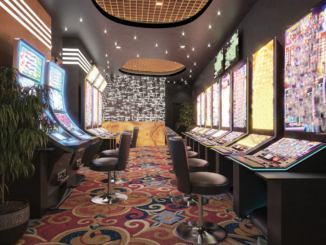
Walk the gaming floor of any busy casino resort, and the energy is immediate. The rhythmic chime of the slot floor, the focus in the table games pit, and the movement of guests create a dynamic environment. With tribal gaming generating a record-breaking $43.9 billion in revenue in fiscal year 2024, the margin for error has never been smaller. Yet a closer look at the operational side reveals a stark contrast. While administrative teams coordinate using sophisticated software, the floor teams that facilitate the guest experience, from security to maintenance, often rely on technology that has remained fundamentally unchanged since the 1940s.
This discrepancy represents a significant technological divide. While office-based productivity has skyrocketed over the last decade due to integrated digital tools, the efficiency of floor teams has remained largely stagnant. In a high-stakes environment like a casino resort, this is not just a matter of moving more slowly — it is a data lag that creates operational blind spots, directly impacting guest experience.
The High Cost of Vanishing Information
Most tribal gaming operations rely on two-way radios that lack a digital footprint. Because these systems don’t automatically record or log data, there is a constant gap between what is happening on the floor and what the administrative office knows. Once a message is spoken over a traditional radio, it effectively disappears.
In a busy dispatch center, teams of officers spend a substantial portion of their shift manually tracking what they hear over the air. This double-handling of information is a significant bottleneck on productivity. It forces skilled security staff to act as data-entry clerks, deciphering garbled audio and transcribing it into a computer while more calls are coming in.
This manual process creates dangerous blind spots. When several things happen at once, like a medical emergency and a technical failure, it is impossible for a team to log everything accurately in real time. Details get missed, and information gets trapped in “audio silos.” For example, if a maintenance alert about a broken pipe is buried under security traffic, a routine repair quickly turns into a major guest safety hazard.
Enhancing Situational Awareness
To combat these missed connections, modern connected workforce platforms utilize intelligent channel scanning. Unlike traditional radios that force a user to commit to a single channel, these tools allow team members to monitor multiple channels simultaneously. The system automatically prioritizes active channels so that a critical call breaks through the noise immediately.
This automation significantly reduces the cognitive load on dispatchers and supervisors. By eliminating the need to manually toggle frequencies, technology gives team members the mental bandwidth to focus on critical communications and the ability to stay calm during high-pressure situations. The result is a more focused workforce and a measurably faster, coordinated response to guest needs and safety incidents.
Bridging the Information Gap
While intelligent channel scanning improves response in the moment, the digital nature of these platforms also ensures that information is captured for the future. Voice transmissions on all channels are instantly transcribed and logged in the background. This eliminates the “choose or lose” dilemma of analog systems and creates a permanent, searchable record for incident reconstruction and liability protection.
This capability transforms operations from reactive to proactive. When a technician calls in a slot machine failure, that message is automatically captured as data, freeing dispatchers to focus on decision-making rather than data entry.
Empowering Floor Team Members
Investing in these tools is about respecting the complexity of the work performed on the casino floor every day. When tribal organizations equip their team members with the same caliber of technology used by their corporate counterparts, they signal that efficiency and safety are priorities across the entire enterprise. By closing the technology gap, operators move away from reactive manual processes and toward a proactive culture ready to handle the unique demands of the gaming industry.