
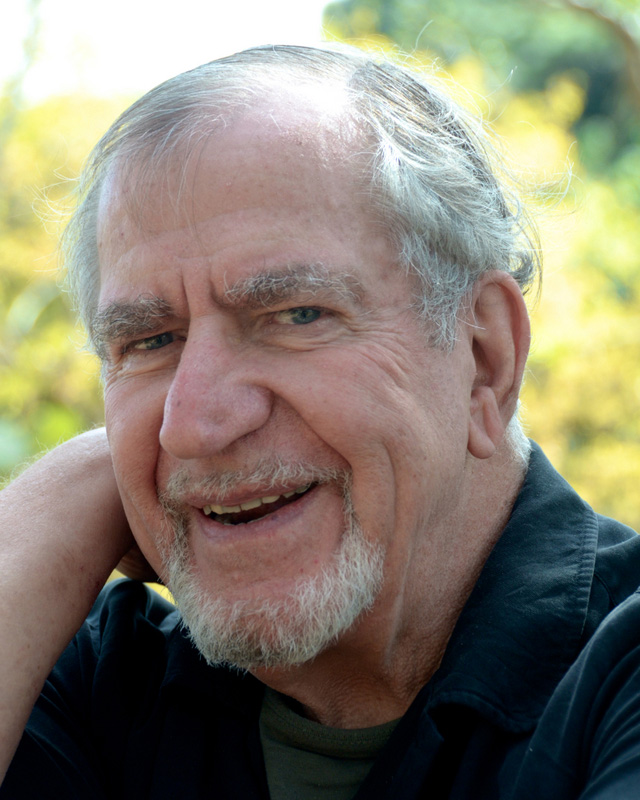
 David Kranes believed casinos were emotional and sensual spaces — not warehouses of slot machines — and he never stopped pushing the industry to see them that way.
I first met David in January 2001, when I started with Raving. He was our casino space and design consultant. But that title never really covered who he was. David was also a longtime professor, a novelist and playwright, and one of the most original thinkers the gaming industry ever encountered.
Working with David was a learning experience for me. Seeing the gaming environment through the eyes of an artist was new. David taught me to slow down and notice things I hadn’t been trained to notice — how a space makes you feel, what your body reacts to, what stays with you after you leave. At our events, we’d always have a special bonus session to “Walk the Walls with David Kranes.”
David didn’t talk about casinos the way anyone else did. He talked about how casinos feel — how they hit your senses, how they affect your mood, whether they energize you or quietly wear you down.
Raving founder Dennis Conrad once wrote that the gaming industry tends to ignore true innovators, especially those who challenge “how we’ve always done things around here.” David was exactly that kind of thinker.
David was ahead of his time in understanding that “time on device” isn’t just about winning. He wrote bluntly that confusion creates tiredness, and tiredness shortens play — and that people who risk, risk more when they feel secure and clear than when they feel scrambled.
He talked openly about sensuality — and about sex and passion — not as shock value, but as truth. He once compared casino experiences to intimacy, saying that nonstop intensity kills desire, while rhythm, anticipation, and moments of release keep people engaged. Light. Sound. Movement. Mood. He believed casinos were pleasure environments, and that pleasure had to be paced. Too much light or too much noise, he warned, tires the brain. Nonstop stimulation makes people crash and leave early. Sensuality, for David, wasn’t indulgent — it was practical. It was how you kept people comfortable, open, and willing to stay.
When David was really on fire talking about the senses — about sensuality, about sexuality, about how spaces arouse curiosity and desire — I could almost forget we were talking about casinos at all. In his black turtleneck sweater, his hands gesturing, he looked slightly beatnik, fully alive. Listening to him, I felt pulled into the way he made ideas physical and urgent, even if that hadn’t been my world before.
And the conversations didn’t stop when the sessions ended. If you were lucky enough to be included in dinner after an event, it was always around a good table, with a nice bottle of red — you bet — talking about writing, talking about design, talking about whatever had caught David’s attention that day. With David, conversation came alive. He made you think differently. And you always left those dinners feeling like something had shifted, even if you couldn’t yet put it into words.
David wrote for Raving for many years and presented often at our conferences. I’d sit in the audience and know I was listening to someone special. David spent 14 years as artistic director of Robert Redford’s Sundance Playwrights Lab, mentoring generations of writers, and that depth showed every time he spoke.
For a time, David and his wife Carol also did our secret shops for casinos. On paper, they were measuring guest service standards five ways from Sunday — and they did that well. But David consistently gave our clients more than they asked for, sometimes with mixed reception. His insights went beyond checklists and scores. He talked about how the experience felt. What lifted his mood. What wore him down. When David talked about his overall experience, it was deep, grainy, and emotional.
David also wrote fiction and published many books. One of my favorite novels of his is Making the Ghost Dance. What that book showed me, as a writer, is that you don’t have to explain magic. You can trust the reader. You can let meaning arrive in its own time.
He wasn’t talking about one of the magicians, gamblers, hit men, painters, casino workers that he writes about in his books or his 40 something plays.
Years ago, David told me about a writers conference in Utah and said I should go. I remember thinking, Me? A writers conference? I’m not a real writer I told him. But David believed in me before I believed in myself. I went. It changed my life.
David encouraged me to be candid. To be bold. To be sexy. To share. To stop apologizing on the page.
I’m humbled to be able to write about David and my own experience with him. There are many who were closer to him over the years and knew him far better than I did. But in his own quiet way, David gave me the confidence to pen these words — and that feels like a gift I’ll always carry.
David Kranes passed in December 2025.
The gaming industry may only now be catching up to ideas he wrote about years ago — clarity, comfort, music instead of noise, spaces that let people breathe. But those of us who listened knew then what we were hearing.
Once someone teaches you how to feel space — whether in a casino, in your writing, or in your life — you don’t forget it.
Note: David had a large collection of articles written about the gaming space that Raving curated, but are no longer posted. If you are interested, please email me directly at chris@tgandh.com and when they become available I will send to you.
Most sincerely,
Christine Faria
Executive Editor, Tribal Gaming & Hospitality Magazine